
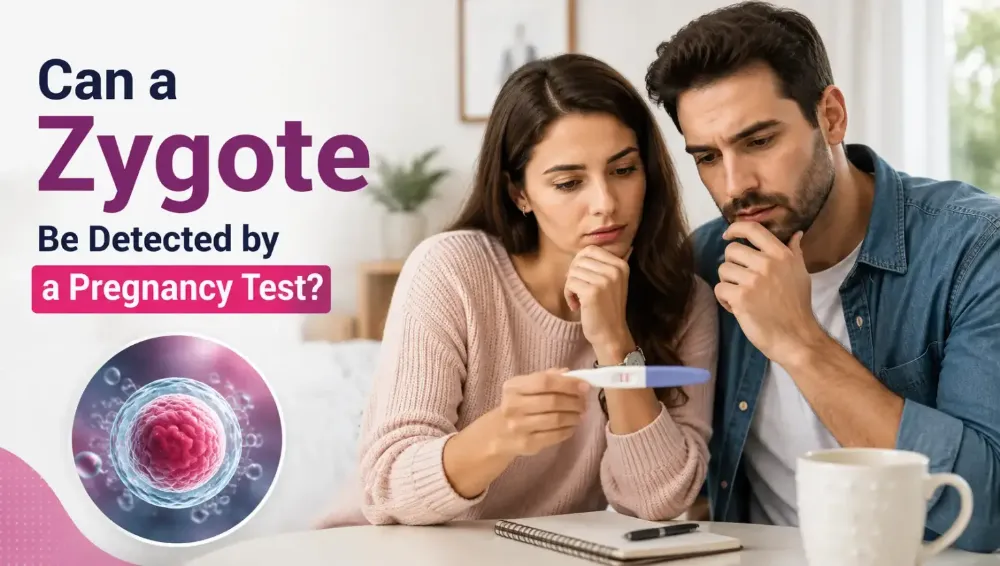
If you’ve been trying to conceive, it’s natural to want an answer as soon as you notice something different. But a common question confuses many hopeful parents: can a pregnancy test detect a zygote immediately after fertilization? The short answer is no. Understanding why can help you avoid unnecessary worry, confusion, and disappointment from testing too early.
What Exactly Is a Zygote?
A zygote is the single cell formed when a sperm fertilizes an egg. It represents the earliest stage of development and begins dividing as it travels through the fallopian tube toward the uterus.
At this stage, the developing cell has not implanted in the uterine lining. The pregnancy hormone hCG has not yet reached detectable levels, so a pregnancy test cannot identify the zygote itself.
Fertilization and Pregnancy Test: Why There’s a Gap
Many people misunderstand the timing between fertilization and a positive pregnancy test. Fertilization starts the process, but the body needs to go through several more steps before testing can detect pregnancy.
What happens after the formation of a zygote:
- The zygote divides repeatedly while traveling toward the uterus, usually over the next few days.
- Around days 5–6, it develops into a blastocyst.
- The blastocyst implants into the uterine lining, typically around 6–10 days after fertilization.
- After implantation, the body begins producing hCG (human chorionic gonadotropin), the hormone detected by pregnancy tests.
Therefore, neither a home urine test nor a blood test can directly detect a zygote immediately after fertilization. These tests measure hCG, which becomes detectable after implantation.
How Early Can a Pregnancy Test Detect Pregnancy?
Once implantation occurs, hCG begins rising, but it takes time to reach detectable levels. This is the real answer to how early can a pregnancy test detect pregnancy—it depends on when implantation occurs, not simply when fertilization happened.
Generally speaking:
- Blood tests used in clinics and fertility treatment monitoring can often detect hCG around 8–10 days after ovulation, although timing varies.
- Home urine tests typically become more reliable around the day of your missed period, when hCG is usually high enough to detect.
- Testing too early can produce a false negative because hCG has not increased sufficiently, even if pregnancy is developing.
This is why fertility clinics schedule blood tests on a specific day after an IVF transfer instead of recommending immediate home testing. Timing matters, and waiting for the appropriate test date can provide a clearer answer.
Read the Complete Blog at the Original Source
Original Source: Zygote Be Detected