
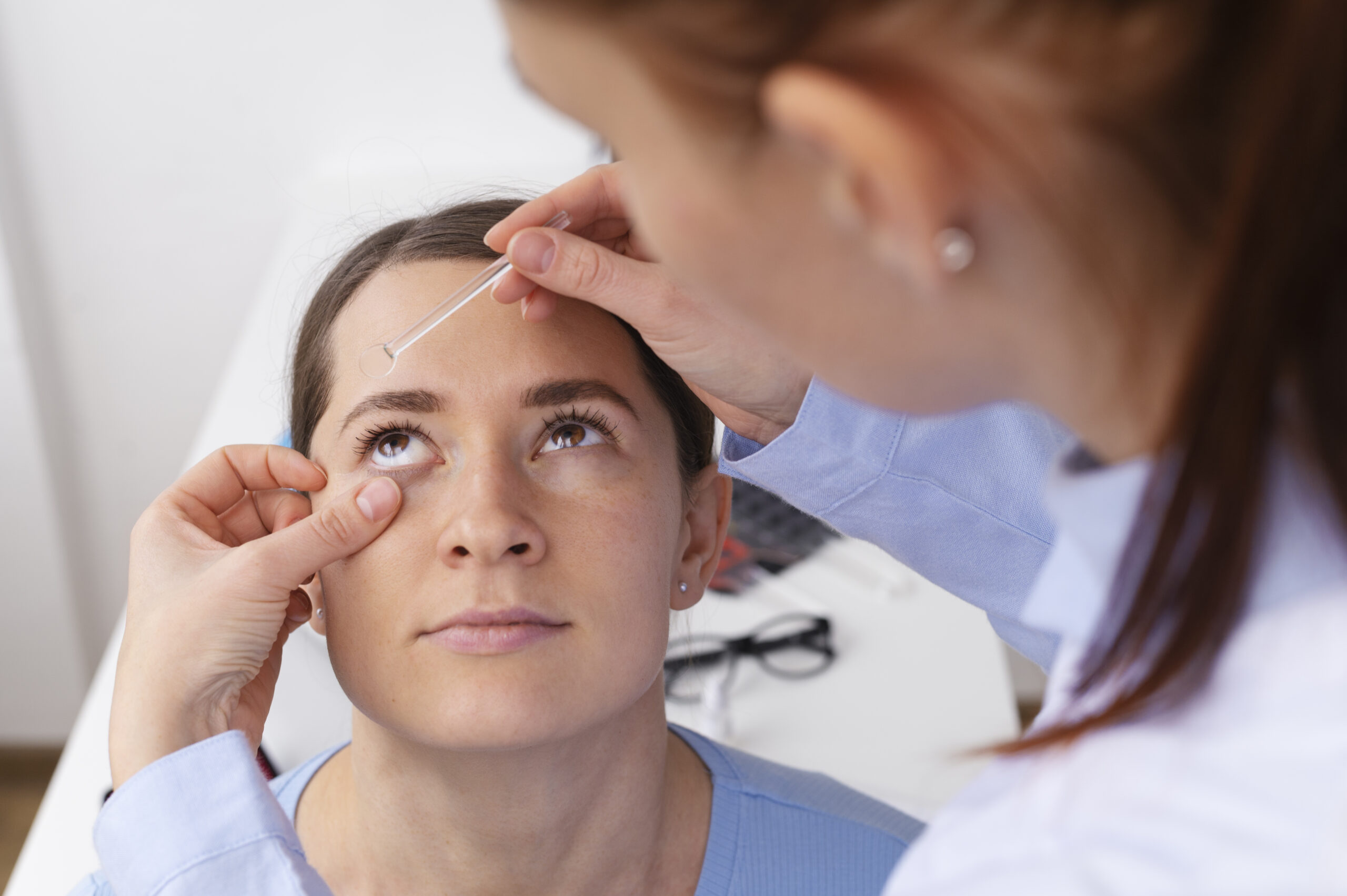
Vision plays a crucial role in our daily lives, from reading and driving to working and enjoying time with family. However, many people experience gradual vision problems as they age, and one of the most common causes is cataracts. Cataracts occur when the natural lens of the eye becomes cloudy, leading to blurred or distorted vision. Fortunately, modern advanced cataract treatment options have made it possible to restore clear vision safely and effectively.
Today, cataract surgery in Delhi has become one of the most trusted and widely performed eye procedures. With modern technologies, experienced eye surgeons, and state-of-the-art facilities, patients can achieve excellent visual outcomes. This guide explains the causes, symptoms, diagnosis, and treatment options available for cataracts, helping you understand why timely treatment is essential for maintaining good eye health.
Understanding Cataracts
A cataract develops when proteins inside the eye lens begin to break down and clump together. Over time, this causes the lens to become cloudy, making it difficult for light to pass through clearly.
In the early stages, cataracts may cause mild vision changes, but as they progress, they can significantly affect daily activities. Fortunately, modern surgical techniques can remove the cloudy lens and replace it with an artificial intraocular lens to restore clear vision.
What Causes Cataracts?
Cataracts can develop due to several factors, although aging remains the most common cause. Understanding the causes can help people recognize symptoms early and seek timely treatment.
Age Related Cataract Causes
One of the leading reasons people develop cataracts is aging. As we grow older, the proteins in the eye lens begin to deteriorate, causing cloudiness.
Common age related cataract causes include:
- Natural aging of the eye lens
- Long-term exposure to ultraviolet (UV) light
- Diabetes and metabolic disorders
- Smoking and alcohol consumption
- Prolonged use of steroid medications
- Family history of cataracts
Age-related cataracts typically develop slowly and may not cause noticeable symptoms initially. However, they gradually worsen over time.
Blurry Vision Cataract Causes
Many people first notice cataracts when they begin experiencing blurred or hazy vision. This occurs because the cloudy lens prevents light from focusing properly on the retina.
Common blurry vision cataract causes include:
- Clouding of the eye lens
- Difficulty focusing light properly
- Increased glare from lights
- Reduced contrast sensitivity
Patients often report that their vision appears foggy or similar to looking through a frosted window.
Common Symptoms of Cataracts
Cataracts can cause a variety of vision problems that gradually worsen over time. Recognizing the symptoms early can help individuals seek treatment before vision loss becomes severe.
Common symptoms include:
- Blurred or cloudy vision
- Difficulty seeing at night
- Sensitivity to light or glare
- Faded or yellowish colors
- Frequent changes in eyeglass prescription
- Double vision in one eye
If you experience these symptoms, it is important to consult an eye specialist for a professional cataract diagnosis.
Importance of Cataract Diagnosis
Early cataract diagnosis is essential for effective treatment and prevention of severe vision impairment. Eye specialists use advanced diagnostic tools to evaluate the condition of the lens and determine the severity of the cataract.
During a cataract examination, doctors typically perform:
Visual Acuity Test
This test measures how clearly you can see letters or objects at different distances.
Slit Lamp Examination
A slit lamp microscope allows doctors to examine the structures of the eye, including the lens, cornea, and retina.
Retinal Examination
Eye drops are used to dilate the pupils so the doctor can examine the retina and optic nerve.
Tonometry Test
This test measures eye pressure and helps rule out other eye conditions such as glaucoma.
Accurate diagnosis helps doctors determine the best treatment plan for each patient.
When Is Cataract Surgery Needed?
In the early stages, cataracts may not require immediate treatment. However, when cataracts begin interfering with daily activities such as reading, driving, or watching television, surgery becomes necessary.
Cataract surgery is recommended when:
- Vision loss affects daily tasks
- Glasses no longer improve vision
- Cataracts interfere with work or driving
- Cataracts affect quality of life
Modern cataract surgery is quick, safe, and highly effective.
Advanced Cataract Treatment Options
Thanks to medical advancements, advanced cataract treatment now offers improved accuracy, faster recovery, and better visual outcomes.
Modern cataract surgery involves removing the cloudy lens and replacing it with an artificial intraocular lens (IOL).
Some advanced treatment options include:
Phacoemulsification Cataract Surgery
This is the most common modern technique used in cataract surgery.
Key features include:
- Small incision surgery
- Ultrasound technology to break the cataract
- Quick recovery time
- Minimal discomfort
Laser-Assisted Cataract Surgery
Laser-assisted cataract surgery uses advanced laser technology to improve precision and accuracy during the procedure.
Benefits include:
- Improved surgical precision
- Reduced surgical risks
- Faster healing
Premium Intraocular Lens (IOL) Options
Modern intraocular lenses can improve vision beyond basic cataract correction.
Popular IOL options include:
- Monofocal lenses
- Multifocal lenses
- Toric lenses for astigmatism
- Extended depth-of-focus lenses
Your eye specialist will recommend the best lens based on your vision needs and lifestyle.
Cataract Surgery Procedure
Many patients feel nervous before cataract surgery, but the procedure is quick and painless.
The surgery typically involves the following steps:
- Local anesthesia is used to numb the eye.
- A small incision is made in the cornea.
- Ultrasound technology breaks the cloudy lens.
- The cataract fragments are removed.
- A new artificial lens is inserted.
The entire procedure usually takes about 15–20 minutes.
Most patients can return home the same day.
Recovery After Cataract Surgery
Recovery from cataract surgery is generally quick and smooth.
Patients may notice improved vision within a few days, although complete healing may take a few weeks.
Common recovery tips include:
- Avoid rubbing the eyes
- Use prescribed eye drops
- Avoid heavy lifting
- Wear protective sunglasses
Regular follow-up visits ensure proper healing and optimal visual results.
Benefits of Cataract Surgery
Modern cataract surgery offers several benefits that significantly improve quality of life.
Clear Vision
Removing the cloudy lens restores sharp and clear vision.
Improved Quality of Life
Patients can resume activities such as reading, driving, and watching television.
Safe and Effective Procedure
Cataract surgery has a very high success rate.
Long-Term Vision Correction
With advanced intraocular lenses, patients may reduce dependence on glasses.
Why Choose Cataract Surgery in Delhi?
Delhi has become a leading destination for eye care due to its advanced medical facilities and experienced ophthalmologists.
Key advantages include:
- Access to advanced cataract treatment technologies
- Highly experienced eye surgeons
- Modern diagnostic equipment
- Affordable treatment options
- High success rates
Patients from across India and even internationally visit Delhi for high-quality eye care.
Preventing Cataracts
While cataracts are often age-related, certain lifestyle changes can help reduce the risk or delay their development.
Helpful prevention tips include:
- Wearing UV-protective sunglasses
- Maintaining a healthy diet rich in antioxidants
- Managing diabetes properly
- Avoiding smoking
- Scheduling regular eye examinations
Early detection through regular eye check-ups is one of the best ways to protect vision.
Frequently Asked Questions
What are the main blurry vision cataract causes?
The primary blurry vision cataract causes include clouding of the eye lens, aging, UV exposure, and certain health conditions such as diabetes.
How is cataract diagnosis performed?
A professional cataract diagnosis involves visual acuity testing, slit-lamp examination, retinal evaluation, and eye pressure testing.
What are the common age related cataract causes?
Common age related cataract causes include natural aging, long-term sunlight exposure, smoking, diabetes, and genetic factors.
Is cataract surgery safe?
Yes, cataract surgery is one of the safest and most successful eye procedures with a high success rate.
How long does cataract surgery take?
The procedure usually takes around 15 to 20 minutes, and patients can typically go home the same day.
What is the recovery time after cataract surgery?
Most patients recover within a few weeks, although vision often improves within a few days after surgery.
What are the benefits of advanced cataract treatment?
Advanced cataract treatment offers precise surgical techniques, faster recovery, improved vision outcomes, and modern intraocular lens options.
Conclusion
Cataracts are one of the most common causes of vision impairment, especially among older adults. Fortunately, modern medical technology has made cataract treatment safer and more effective than ever before.
With timely cataract diagnosis and modern advanced cataract treatment, patients can restore clear vision and regain independence in their daily lives.
If you are experiencing blurred vision, glare sensitivity, or difficulty seeing clearly, consulting an eye specialist for evaluation can help determine whether cataract surgery is the right solution.
Contact Us for Cataract Surgery in Delhi
If you or a loved one is experiencing symptoms of cataracts, expert consultation and advanced treatment are just a call away.
Phone: 9667770453
Email: query@cataractrx.com
Schedule your consultation today and take the first step toward clearer, brighter vision with expert cataract care in Delhi.