
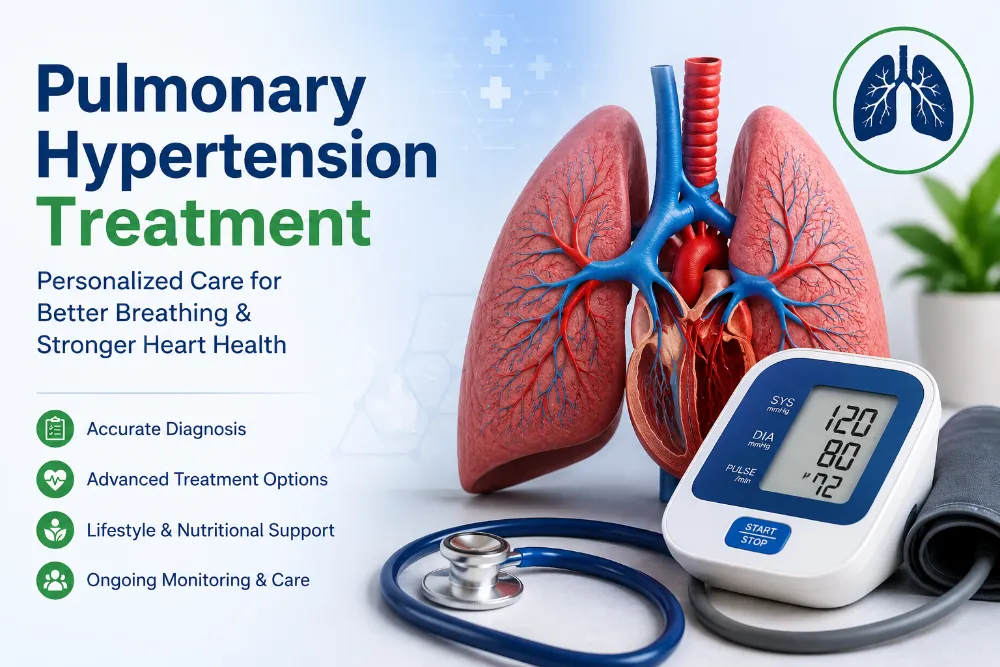
High blood pressure can develop quietly, yet its long-term effects can be serious. When readings remain elevated, finding the right pulmonary hypertension treatment requires more than simply watching a number on a monitor. A careful medical evaluation can help determine whether cardiovascular, metabolic, hormonal, lifestyle, or other factors are contributing to the problem. Personalized care focuses on understanding the individual’s health history and creating a practical plan that supports safer, sustainable blood pressure management rather than relying on a one-size-fits-all strategy.
Why Should High Blood Pressure Be Evaluated Early?
Hypertension may not cause noticeable symptoms, which is one reason regular monitoring matters. Some people may experience headaches, dizziness, shortness of breath, chest discomfort, flushing, or nosebleeds when blood pressure becomes significantly elevated. However, the absence of symptoms does not necessarily mean there is no risk. Persistent high readings can place additional strain on the heart, blood vessels, kidneys, and other organs. Early evaluation gives patients an opportunity to understand their individual risk factors and address concerns before complications become more difficult to manage.
What Factors Can Influence Blood Pressure?
Blood pressure is influenced by more than one variable. A thorough assessment can consider everyday habits as well as underlying health concerns that may contribute to persistent elevation.
- Nutrition: Excess sodium, highly processed foods, and inadequate nutritional balance may affect cardiovascular health.
- Physical activity: A sedentary routine can contribute to weight gain and reduced vascular health.
- Stress and sleep: Ongoing stress and sleep disorders, including sleep apnea, may influence blood pressure regulation.
- Hormonal and metabolic health: Thyroid, adrenal, metabolic, and other health factors can sometimes play a role.
- Environmental exposure: Certain toxins or heavy metals may warrant investigation when a clinician considers them relevant.
Looking at these factors together can provide a more complete picture than considering blood pressure readings in isolation.
What Does a Personalized Blood Pressure Evaluation Include?
A personalized evaluation begins with a detailed review of medical history, current medications, lifestyle habits, cardiovascular risks, and blood pressure patterns. Depending on the individual, clinicians may consider blood pressure monitoring, metabolic testing, lipid assessment, kidney-function evaluation, hormone testing, nutritional analysis, inflammation markers, toxin screening, or a sleep study when appropriate. The purpose is not to order every test for every patient, but to select evaluations that can provide useful information for developing an individualized care strategy.
How Can Lifestyle Changes Support Treatment?
Effective blood pressure management often combines medical guidance with realistic changes that can be maintained over time. For people researching high blood pressure treatment nyc, a personalized plan may include several practical areas:
- Choosing heart-supportive foods and moderating sodium intake
- Building regular physical activity into the weekly routine
- Working toward a healthy weight when appropriate
- Practicing stress-management techniques such as mindfulness or breathing exercises
- Avoiding smoking and limiting alcohol consumption
- Reviewing sleep quality and addressing suspected sleep apnea
- Using supplements only when medically appropriate and professionally monitored
These measures should complement, not automatically replace, prescribed treatment. Patients should never stop or change blood-pressure medication without discussing it with the clinician who manages their care.
What Should You Look For in a Hypertension Clinic?
Choosing a hypertension clinic center nyc should involve more than comparing convenience or appointment availability. Patients may benefit from a clinic that takes time to understand their medical history, evaluates relevant risk factors, monitors progress, and adjusts recommendations as their health changes. An integrative approach can bring together conventional medical oversight, nutrition, lifestyle support, metabolic evaluation, and other appropriate therapies. This type of coordinated care can help patients work toward better cardiovascular health while keeping safety and evidence-informed medical decision-making at the center.
Ready to Take the Next Step Toward Better Blood Pressure Control?
Patients Medical offers personalized, integrative care for people seeking a broader approach to cardiovascular and blood-pressure concerns. The medical team evaluates individual health factors and works with patients to develop practical strategies for long-term management. To learn more or arrange a consultation, contact Patients Medical at (212) 794-8800 or info@patientsmedical.com. Professional evaluation is especially important when blood pressure remains persistently elevated or symptoms raise concern.
Frequently Asked Questions
1. When should I see a doctor about high blood pressure?
If readings are repeatedly elevated, discuss them with a healthcare professional. Seek urgent medical attention for severely high readings accompanied by concerning symptoms such as chest pain, severe shortness of breath, neurological changes, or other emergency symptoms.
2. Can lifestyle changes really help blood pressure?
Yes. Nutrition, physical activity, weight management, stress reduction, sleep quality, and avoiding tobacco can all be important parts of a comprehensive management plan.
3. Do I need to stop my current blood-pressure medication?
No. Medication should not be stopped independently. The source page emphasizes working alongside existing treatment and making medication changes only under appropriate medical supervision.
4. What tests might be considered during an evaluation?
Depending on individual circumstances, testing may include metabolic, kidney, lipid, hormonal, nutritional, inflammatory, or toxin-related assessments, with sleep testing considered when clinically indicated.
5. Who can help manage persistent hypertension?
A qualified hypertension doctor nyc can evaluate blood pressure patterns, review potential contributing factors, assess cardiovascular risks, and develop a treatment strategy suited to the patient’s needs.