
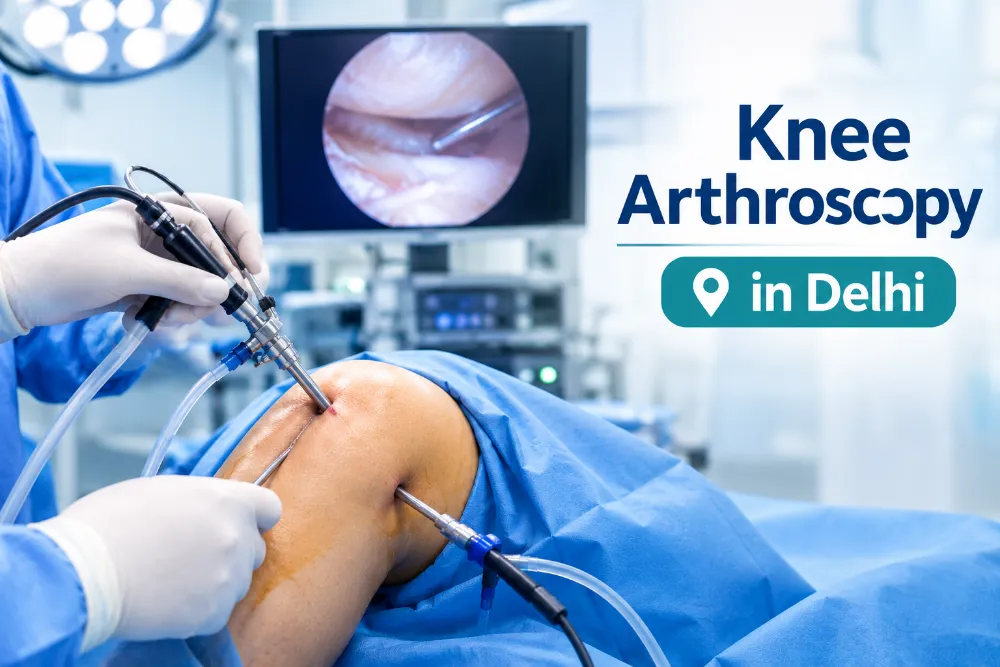
Knee pain, swelling, locking, or difficulty bending the leg can interfere with everyday activities. When medicines, physiotherapy, or other conservative treatments do not provide sufficient relief, an orthopaedic specialist may recommend a minimally invasive procedure to examine and treat the affected joint. Understanding how to prepare can help reduce anxiety, improve safety, and make the recovery process more manageable. Patients considering Knee Arthroscopy in Delhi should understand the preoperative assessment, medication precautions, home preparation, and rehabilitation requirements before their procedure.
What Should You Know Before Surgery?
Preparation begins with understanding why surgery has been recommended. The procedure uses a small camera and specialised instruments inserted through tiny incisions to examine the inside of the knee joint. Depending on the injury, the surgeon may repair a torn meniscus, address damaged cartilage, or remove loose fragments.
Before proceeding, discuss your symptoms, previous treatments, medical history, and expected outcomes with your orthopaedic specialist. The treatment plan should reflect the specific injury, overall health, activity level, and individual recovery needs.
How Should You Prepare Before the Procedure?
A few practical steps can help you prepare physically and organise your arrangements before surgery.
- Complete the medical assessment: Attend the recommended examination and undergo any necessary blood tests, imaging, or other investigations. Share details of existing medical conditions, allergies, and previous surgical procedures.
- Discuss your medications: Inform your doctor about all prescription medicines, over-the-counter products, vitamins, and supplements you take. Some medicines may require adjustment before surgery, but never stop prescribed treatment without medical guidance.
- Follow fasting instructions: If anaesthesia is planned, the hospital will explain when to stop eating and drinking. Follow these instructions carefully to reduce anaesthesia-related risks.
- Arrange transport and assistance: Even if the procedure is planned as day-care surgery, arrange for someone to take you home. You may experience temporary discomfort, dizziness, or restricted movement afterwards.
- Prepare your home: Keep essential items within easy reach, remove loose rugs and obstacles, and ensure your walking areas are well lit. Arrange a comfortable place to rest.
- Wear comfortable clothing: Choose loose-fitting clothes that allow easy access to the operated knee and make dressing easier after discharge.
- Avoid smoking and alcohol as advised: Tell your healthcare team about your consumption habits and follow their recommendations to support safer surgery and healing.
These preparations help you arrive at the hospital informed and organised. Your surgeon and anaesthesia team will provide instructions tailored to your health and the planned procedure.
What Happens on the Day of Surgery?
On the day of Knee Arthroscopy, the medical team reviews your health information, confirms the treatment plan, and explains the anaesthesia approach. The procedure commonly involves small incisions through which a camera and specialised instruments are introduced. The surgeon examines the joint and treats the identified problem where appropriate. Many cases are completed as day-care procedures, although the duration and discharge arrangements vary. Follow the hospital’s instructions and ask questions if any part of the process is unclear.
How Can You Prepare for Recovery at Home?
Planning for recovery before surgery can make the first few days easier. Your mobility and rehabilitation needs will depend on whether the surgeon removes damaged tissue or repairs structures such as the meniscus.
After Knee Arthroscopy Surgery in Delhi, follow these practical recommendations as directed by your treating team:
- Plan pain management: Understand which medicines to take, their timing, and any precautions. Contact your healthcare provider if pain becomes unexpectedly severe.
- Protect the operated knee: Follow instructions about dressings, bathing, icing, elevation, and weight-bearing. Do not remove dressings or apply products to the wounds unless advised.
- Arrange physiotherapy: Your rehabilitation programme may include gentle movement, muscle activation, and progressive strengthening. Begin exercises only as instructed, particularly if tissue repair was performed.
- Use walking aids when recommended: Crutches or other support may be necessary for a period. Do not stop using them until your care team confirms that it is safe.
- Keep follow-up appointments: These visits allow the surgeon to assess wound healing, movement, swelling, and progress with rehabilitation.
- Know the warning signs: Seek prompt medical advice for fever, increasing redness, wound discharge, worsening swelling, or uncontrolled pain. Sudden breathlessness, chest pain, or significant calf swelling requires urgent medical assessment.
When Can You Return to Daily Activities?
Recovery varies according to the underlying injury, the treatment performed, and your overall health. Some patients resume light activities relatively quickly, while repairs involving the meniscus or ligaments may require a longer rehabilitation period. Returning to driving, work, exercise, or sport should depend on pain control, mobility, strength, and your surgeon’s advice. Patients who also have advanced arthritis may need a different treatment discussion, including whether knee replacement surgery in delhi is appropriate. The right option depends on the joint damage and clinical assessment.
Where Can You Get Guidance Before Knee Surgery?
Choosing an experienced orthopaedic specialist helps you understand your diagnosis, available treatment options, preparation requirements, and recovery expectations. Dr. Dhananjay Gupta provides orthopaedic care at Fortis Flt. Lt. Rajan Dhall Hospital, Vasant Kunj, New Delhi, including arthroscopic procedures for selected knee conditions. Discuss your symptoms, investigations, medical history, and activity goals to understand whether surgery is suitable for you. For further information, visit or contact 9810289777.